Die ehrliche Antwort auf die Frage nach den Kosten für den Bau einer Go-Kart-Bahn erstreckt sich über drei Größenordnungen: Ein Hobbyfahrer kann sich hinter der Scheune für ein paar tausend Dollar eine Erdbahn anlegen, während eine mehrstöckige Indoor-Elektroanlage bereits vor dem ersten Startschuss die 2-Millionen-Dollar-Marke überschreitet. BMI Leisure ist aus der Kartbranche hervorgegangen und unterstützt seit über 25 Jahren mehr als 300 Rennstrecken weltweit bei ihrem Betrieb – daher wissen wir genau, was solche Bauprojekte wirklich kosten, wo Budgets aus dem Ruder laufen und welche Posten von den Betreibern stets unterschätzt werden. Hier ist die vollständige Aufschlüsselung.
Kosten für eine Go-Kart-Bahn auf einen Blick (kurze Antwort)
Der Bau einer Go-Kart-Bahn kostet zwischen 1.000und 6.000 US-Dollarfür eine private Sandbahn bis hin zu 500.000bis über 3.000.000 US-Dollarfür eine kommerzielle Anlage. Eine kleine, asphaltierte Privatstrecke kostet 70.000 bis 150.000 US-Dollar; eine kommerzielle Indoor-Kartbahn liegt in der Regel zwischen 420.000 US-Dollar und 1,5 Millionen US-Dollar oder mehr. Die wichtigsten Variablen sind: kommerziell oder freizeitorientiert, Schotter oder Asphalt sowie Indoor oder Outdoor.
| Gleisart | Typische Kostenspanne | Was Sie davon haben |
|---|---|---|
| Rennstrecke aus Erde und Gras im Garten | 1.000 – 6.000 Dollar | Aufgeschüttete Erde, Reifenbarrieren, ein gebrauchtes Kart |
| Kleiner privater, asphaltierter Weg | 70.000 – 150.000 Dollar | ~1.000 ft lange Asphaltstrecke, einfache Leitplanken |
| Gewerbliche Innenanlage | 420.000 $ – 1.500.000 $+ | Lagerausbau, Elektrofahrzeugflotte, Zeitplanung, Buchung |
| Gewerbliche Außenanlage | 500.000 $ – 3.000.000 $+ | 2–5+ Acres, Rundstrecke, Fahrzeugflotte, Gebäude, Paddock |
| Mehrstöckige Innenkonstruktion | +375.000 – 850.000 Dollar | Nur die Stahlkonstruktion, zusätzlich zum Sockelausbau |
Go-Kart-Bahnen im eigenen Garten und auf Privatgrundstücken (1.000–150.000 US-Dollar)
Kann man sich eine eigene Go-Kart-Bahn bauen?
Auf jeden Fall – und auf Privatgrundstücken ist es günstiger, als die meisten Leute erwarten. Eine Rennstrecke aus Erde oder Gras erfordert kaum mehr als Erdarbeiten (einen gemieteten Kompaktlader oder einen bezahlten Maschinenführer), einen sinnvollen Streckenverlauf mit Sichtlinien und gebrauchte Reifen als Absperrungen. Wenn man sparsam vorgeht, reichen 1.000 bis 6.000 Dollarfür die Strecke und ein gebrauchtes Kart. Zwei Warnungen aus Erfahrung: Prüfen Sie die Bebauungs- und Lärmschutzvorschriften,bevordie Nachbarn das für Sie tun, und widerstehen Sie der Versuchung, die erste Kurve schnell zu gestalten – Hinterhofstrecken werden aus Spaß am Nervenkitzel gebaut und aus Sicherheitsgründen umgebaut.
Sie möchten eine Asphaltdecke? Schon eine kleine, professionell angelegte Strecke (etwa 1.000 Fuß lang und 12 Fuß breit) lässt die Kosten auf 70.000 bis 150.000 Dollar steigen, denn beim Asphalt werden die Budgets für Rennstrecken erst richtig hoch – gewerbliche Asphaltierungsarbeiten kosten in der Regel 4 bis 10 Dollar pro Quadratfuß, und Oberflächen in Rennstreckenqualität mit ordnungsgemäßer Untergrundvorbereitung liegen tendenziell am oberen Ende dieser Spanne oder sogar darüber.
Wie viele Acres braucht man für eine Go-Kart-Bahn?
Eine private Rennstrecke lässt sich problemlos aufeiner Fläche von 1–2 Acres unterbringen. Eine gewerbliche Außenanlage benötigt2–5+ Acres, wenn man Abflussbereiche, Paddock, Parkplätze und ein Gebäude mit einbezieht. Bei Hallenanlagen sollte man in Lagerhausgrößen denken: etwa 30.000–60.000 Quadratfuß mit reichlich Deckenhöhe.
Wenn ein privater Rennstreckenbetreiber wie ein Unternehmen denken muss
Die Sache ist ganz einfach: Sobald jemand außerhalb Ihres Haushalts auf Ihrer Rennstrecke fährt – insbesondere, wenn Geld im Spiel ist –, befinden Sie sich im kommerziellen Bereich: Haftpflichtversicherung, Verzichtserklärungen und Sicherheitsstandards. Viele kommerzielle Rennstreckenbesitzer haben genau so angefangen, weshalb es im weiteren Verlauf dieses Leitfadens darum geht, wie man es richtig macht.
Kosten für eine kommerzielle Go-Kart-Bahn im Freien (500.000–3 Mio. US-Dollar+)
Grundstück, Flächennutzungsplan und Erschließungsarbeiten
Das Grundstück ist Ihre größte Unbekannte – ländliche Flächen kosten nur einen Bruchteil dessen, was Grundstücke in Vororten kosten, aber Ihre Kunden leben in den Vororten. Die Baugenehmigung für die Nutzung als Motorsportanlage (Lärm, Verkehr, Umwelt) kann Monate dauern; planen Sie daher sowohl Zeit als auch Geld ein. Die Erdarbeiten – Planierung, Entwässerung, Versorgungsanschlüsse – überraschen Erstbauer regelmäßig, insbesondere bei „günstigen“ Grundstücken, bei denen sich herausstellt, dass umfangreiche Erdarbeiten erforderlich sind.
Gleisbau und Gleisverlegung
Dies ist der wichtigste Kostenpunkt – der Belag bestimmt in der Regel mehr als jede andere Entscheidung die Gesamtkosten für den Bau Ihrer Go-Kart-Bahn. Die Kosten für den Asphaltbelag einer kompletten Außenrennstrecke liegen typischerweise zwischen 140.000 und 450.000 US-Dollar, abhängig von Länge, Breite und Unterbauvorbereitung. Sparen Sie hier nicht: Kart-Rennstrecken benötigen gleichmäßigen Grip und eine gute Entwässerung, und die Erneuerung einer schlecht gebauten Strecke kostet mehr, als sie von Anfang an richtig zu bauen. Professionelle Streckendesigner verdienen ihr Honorar dadurch, dass sie den Rennfluss, die Sicherheitsauslaufzonen und die Sichtlinien für die Zuschauer in Einklang bringen – also genau die Faktoren, die darüber entscheiden, ob die Kunden wiederkommen.
Leitplanken, Auslaufbereiche und Sicherheitssysteme
Reifenwände, Kunststoff-Barrieresysteme, Auffangzäune und Streckenposten erhöhen die Kosten um weitere Zehntausende. Die Konstruktionsregel, die wir bei Hunderten von Rennstrecken beobachtet haben: Auslaufzonen sind billiger als Verletzungen – immer. Moderne elektronische Sicherheitssysteme können Karts zudem je nach Zone ferngesteuert verlangsamen oder zum Stillstand bringen; mehr dazu im Abschnitt „Technologie“.
Baukosten für eine Indoor-Go-Kart-Bahn (420.000–1,5 Mio. $+)
Das Gebäude: Deckenhöhe, Fußböden und Belüftung
Indoor-Karting tauscht Grundstücks- und Wetterrisiken gegen Immobilien- und Ausbaukosten ein. Man benötigt eine hallenartige Fläche mit großzügiger Deckenhöhe, einen strapazierfähigen Boden (polierter Beton mit der richtigen Griffigkeitsbeschichtung), durchgehende Absperrsysteme sowie Besprechungsräume, eine Lobby und idealerweise ein Café – denn Wartezeit istUmsatzzeit. Früher war die Belüftung zur Ableitung von Benzindämpfen der größte Kostenfaktor; die Elektrifizierung hat dieses Problem weitgehend beseitigt und durch Ladeinfrastruktur ersetzt – ein weitaus besserer Kompromiss.
Mehrstufige Trassen: Die 375.000–850.000-Dollar-Frage
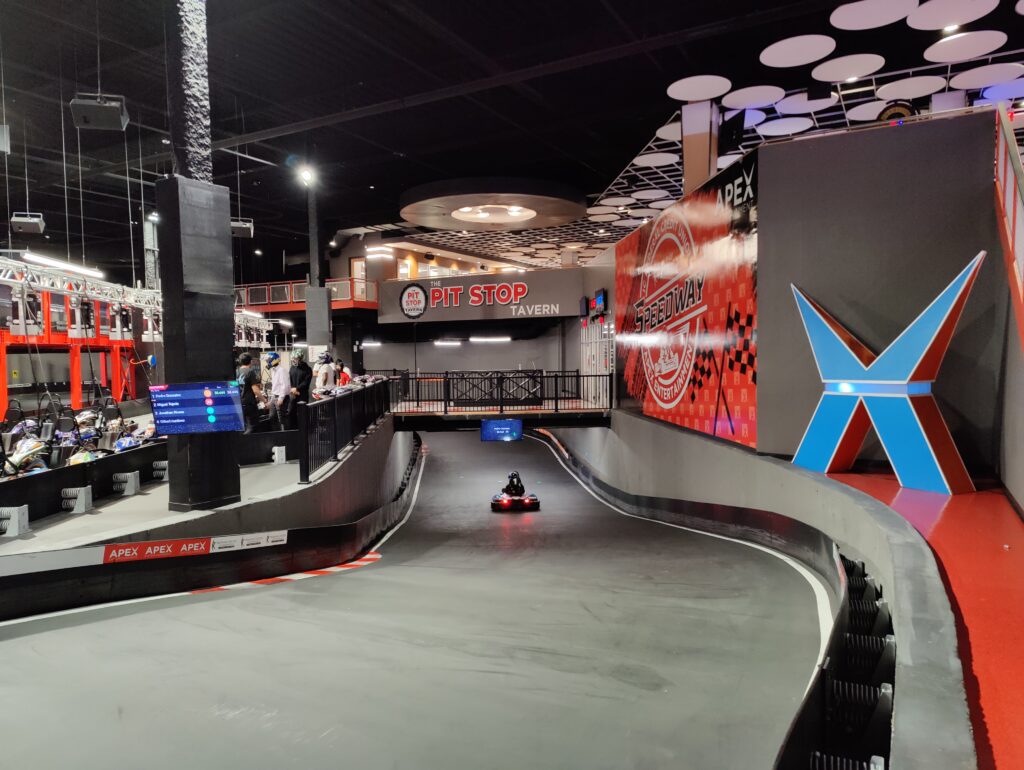
Mehrstufige Anlagen sind das Markenzeichen von Premium-Indoor-Kartbahnen – und allein die Stahlkonstruktion kostet zwischen 375.000 und 850.000 Dollar,noch bevor sonstige Kosten hinzukommen. Damit erhalten Sie längere, unvergesslichere Strecken auf kleinerer Grundfläche und ein Marketingimage, mit dem keine flache Bahn mithalten kann. Ob sich diese Investition auszahlt, hängt ganz von der Marktdichte und der Preisbereitschaft Ihrer Zielgruppe ab; sie werden häufiger als Zweitstandort denn als Erststandort gewählt.
Die Kart-Flotte: Ihre umfangreichste Ausrüstungsreihe (100.000–360.000 Dollar)
Elektro- vs. Gas-Karts
Elektrische Mietkarts in Profiqualität von den großen Herstellern (Sodi, OTL, BIZ) kosten je nach Modell und Ausstattung etwa 5.000 bis 12.000 US-Dollar und mehr pro Kart– die Hersteller geben Preise pro Flotte an, daher sollten die Listenpreise als Ausgangspunkt betrachtet werden. Elektro-Karts setzen sich mittlerweile bei den meisten neuen gewerblichen Projekten durch, und zwar aus Gründen, die wir bei unserem gesamten Kundenstamm beobachten: kein Umgang mit Kraftstoff und keine Abgasabsaugung, sofortiges Drehmoment, das die Kunden lieben, Energiekosten pro Fahrrunde, die weit unter denen für Kraftstoff liegen, per Fernbedienung für jeden Fahrer einstellbare Höchstgeschwindigkeit sowie ein leiserer Betrieb, der Vermieter und Nachbarn zufriedenstellt. Benzin-Karts behalten ihre Daseinsberechtigung im Außenbereich und in Märkten, in denen eine Ladeinfrastruktur nicht praktikabel ist.
Wie viele Karts braucht man eigentlich?
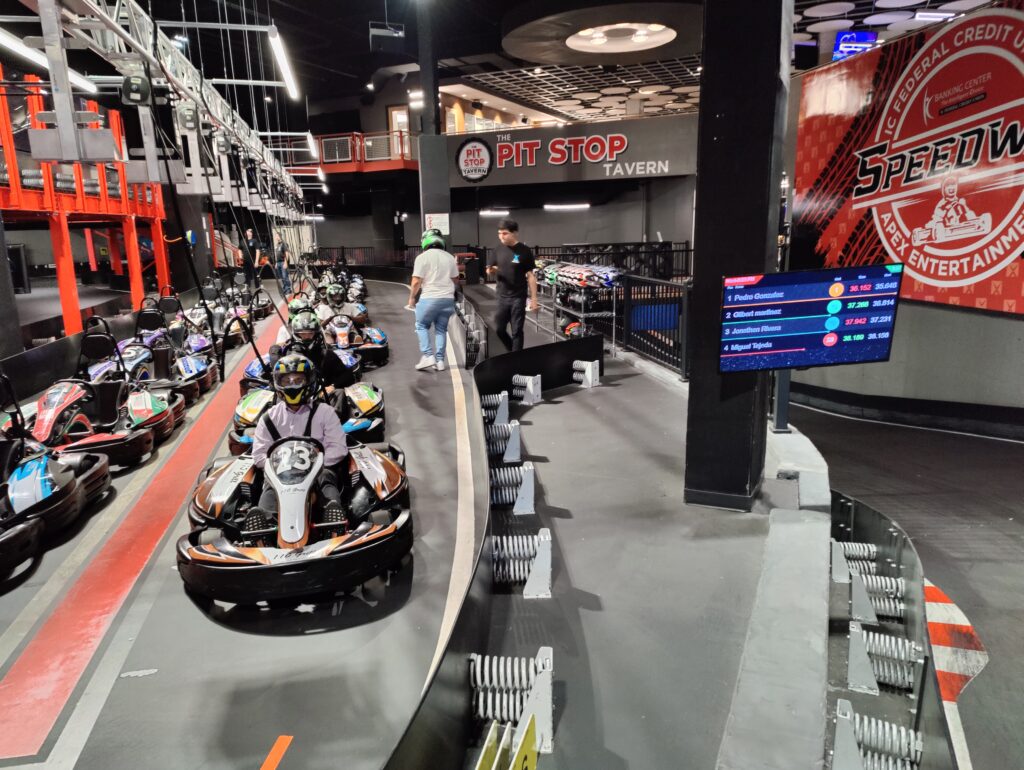
Gehen Sie von den Fahrsitzungen aus: Ein Starterfeld mit 10 Karts und 3–4 Durchläufen pro Stunde bedient stündlich 30–40 Fahrer. Die meisten kommerziellen Kartbahnen starten mit15–30 Karts(einschließlich Kinderkarts und Ersatzkarts), was die Flottenkosten auf 100.000–360.000 US-Dollar beläuft. Eine zu kleine Flotte kostet Sie Einnahmen in den Spitzenzeiten; eine zu große Flotte bindet Kapital ungenutzt. Ihre Buchungsdaten zeigen Ihnen, wann es Zeit für eine Erweiterung ist – vorausgesetzt, Sie erfassen diese Daten vom ersten Tag an.
Die Kosten, die jeder vergisst
Nachdem wir die Eröffnung von Hunderten von Strecken mitverfolgt haben, können wir Ihnen genau sagen, welche Posten in den ersten Entwürfen des Haushaltsplans fehlen:
- Zeitmess- und Rennleitsysteme.Transponder, Decoder, TV-Anzeigen und Rennmanagement-Software – Kart-Kunden kommen wegen ihrer Rundenzeiten wieder, nicht nur wegen der Fahrt. Das ist der Unterschied zwischen einer Freizeitbeschäftigung und einem Sport.
Unser Einkaufsratgeber für Kart-Zeitmesssysteme vergleicht die wichtigsten Systeme. - Buchungs-, Kassensystem- und CRM-Software.Für termingesteuerte Unternehmen steht und fällt alles mit der Kalenderauslastung; Betriebe, die ausschließlich Laufkundschaft bedienen, verschenken Kapazitäten in Spitzenzeiten.
- Versicherung.Die Haftpflichtversicherung für die Rennstrecke und die Arbeitsunfallversicherung belaufen sich in der Regel auf 15.000 bis 30.000 US-Dollar oder mehr pro Jahr. Die Versicherer werden sich nach Ihren Sicherheitssystemen und dem Verfahren zur Einwilligungserklärung erkundigen – gute Vorkehrungen senken die Prämien.
- Bestandsliste der Schutzausrüstung.Helme in allen Größen, Kopfschutz, Rippenwesten für Kinder und Jugendliche, Anzüge – sowie Ersatzteile.
- Flottenwartung.Reifen, Stoßstangen, Batterien, Bremsen: Mietkarts werden stark beansprucht. Planen Sie einen realistischen monatlichen Posten ein, statt sich auf Wunschdenken zu verlassen.
- Personal und Schulung.Streckenposten, Einweisungspersonal, Mechaniker, Rezeption – und die Schulungen, die für sichere und zügige Trainingsläufe sorgen.
- Betriebskapital.3–6 Monate Betriebskosten – das ist der Puffer, der die Überlebenden von der Statistik unterscheidet (dieselbe Regel, die wirjedem Veranstaltungsort in seinem Geschäftsplan empfehlen).
| Kategorie | -Einsteiger für den Außenbereich, ländlich, Kombination aus Gas und Strom |
Mittelgroßes, gemietetes Lagerhaus in , mit Elektroantrieb |
Hochwertiges Indoor- , mehrstufig, elektrisch |
|---|---|---|---|
| Grundstück / Pacht (Jahr 1) | 150.000 $ „ “ (Kauf) |
120.000 $ „ “ (Miete + Kaution) |
200.000 $ „ “ (Miete + Kaution) |
| Bauarbeiten / Ausbau | $80,000 | $150,000 | $300,000 |
| Gleisoberfläche / Gleisstruktur | $200,000 | 60.000 $ „ “ (Grundriss + Aufteilung) |
600.000 $ „ “ (inkl. Stahlkonstruktion) |
| Absperrungen und Sicherheitssysteme | $50,000 | $60,000 | $100,000 |
| Kart-Flotte | 140.000 $ „ “ (20 Karts) |
180.000 $ „ “ (22 Karts) |
300.000 $ „ “ (30 Karts) |
| Zeitplanung, Buchung und Kassensystemtechnik | $30,000 | $40,000 | $60,000 |
| Sicherheitsausrüstung und Ersatzteile | $15,000 | $15,000 | $25,000 |
| Versicherung (1. Jahr) & Genehmigungen | $25,000 | $22,000 | $30,000 |
| Einführungsmarketing | $15,000 | $20,000 | $40,000 |
| Betriebskapital (6 Monate) | $95,000 | $130,000 | $200,000 |
| Gesamt | ~800.000 Dollar | ~800.000 Dollar | ~1.855.000 $ |
Pauschale Szenarien zu Planungszwecken – die tatsächlichen Kosten variieren stark je nach Region, Grundstückspreisen und Ausstattung. Holen Sie vor einer Entscheidung Angebote von Bauunternehmern und Herstellern für Ihren Markt ein.
Ist der Betrieb einer Go-Kart-Bahn rentabel?
Es läuft gut, ja – Kartfahren verfügt über einen der stärksten Faktoren für Wiederbesuche im Bereich der standortgebundenen Unterhaltung, denn Rundenzeiten verwandeln Kunden in Wettkämpfer. Die entscheidende Kennzahl istder Umsatz pro Kart und Stunde: Eine gut ausgelastete Bahn nutzt jedes Kart stündlich für 3–4 Fahrten zu 20–50 Dollar pro Fahrer und erzielt darüber hinaus Einnahmen aus Mitgliedschaften, Ligen, Firmenveranstaltungen, „Arrive-and-Drive“-Serien sowie Gastronomie. Die Auslastung – nicht die Größe der Anlage – entscheidet über die Rentabilität. Eine bescheidene Bahn mit einer Wochenendauslastung von 70 % ist besser als eine Vorzeigeanlage mit 30 %.
Die Wachstumshebel sind bereits im Einsatz: dynamische Preisgestaltung nach Tageszeiten, Ligaabende, die die Wochentage auslasten, und Marketingmaßnahmen auf Basis Ihrer eigenen Kundendaten. In unseren Fallstudien zuTeamSport– dem größten Kart-Betreiber Großbritanniens – undSpeedway Indoor Kartingin den USA können Sie sehen, wie echte Betreiber vorgehen. Unser Leitfaden zurSaisonstrategie für Outdoor-Kartingbehandelt zudem das Handbuch zur saisonalen Ausrichtung.
Von Karting-Fans entwickelt: Wie „ BMI Leisure “ ins Bild passt
BMI Leisure Wir sind nicht von außen zum Kart-Sport gekommen – das Unternehmen ist aus einem Kart-Team hervorgegangen, und Kartbahnen waren vor über 25 Jahren unsere ersten Kunden. Heute nutzen weltweit über 300 Kartbahnen unsere Plattform, und jedes Modul lässt sich einer Position in Ihrem Budget zuordnen:Zeitnahme und Rennleitungfür das Rundenzeit-Erlebnis, das die Fahrer wiederkommen lässt,erweiterte Sicherheits- und Ortungsfunktionen, um Karts je nach Zone zu verlangsamen oder anzuhalten, „Mobile Marshall“für die Kontrolle an der Strecke,„Buchung & Terminplanung“mitOnline-Buchung, um jede Session auszulasten, sowie„CRM & Marketing-Automatisierung“, um Erstbesucher zu Ligamitgliedern zu machen. Sie suchen nach der richtigen Lösung?So bewerten Sie Kart-Software im Jahr 2026.
Sie möchten eine Kartbahn bauen? Sprechen Sie mit den Karting-Experten
Von Zeitmessung und Rennleitung bis hin zu Online-Buchung und CRM – „ BMI Leisure “ hat seine Wurzeln im Kartsport und wird weltweit auf über 300 Rennstrecken eingesetzt. Stellen Sie schon vom ersten Tag an die richtige Technologieausstattung für Ihr Budget zusammen.
Nehmen Sie Kontakt mit unserem Team aufHäufig gestellte Fragen
Ist der Betrieb einer Go-Kart-Bahn rentabel?
Ja, gut geführte Kartbahnen sind durchaus rentabel. Die entscheidende Kennzahl ist der Umsatz pro Kart und Stunde: Eine gut besuchte kommerzielle Kartbahn verkauft 3–4 Fahrten pro Stunde zu 20–50 Dollar pro Fahrer und erzielt darüber hinaus Einnahmen aus Mitgliedschaften, Ligen, Firmenveranstaltungen sowie Gastronomie. Die Rentabilität hängt stärker von der Auslastung und den Wiederholungsbesuchen ab als von der Größe der ursprünglichen Anlage.
Wie viele Acres braucht man, um eine Go-Kart-Bahn zu bauen?
Eine private Rennstrecke im Hinterhof passt auf 1–2 Acres. Eine gewerbliche Außenanlage benötigt in der Regel 2–5+ Acres für die Rennstrecke, Auslaufbereiche, Fahrerlager, Parkplätze und Gebäude. Für Innenanlagen sollten Sie etwa 30.000–60.000 Quadratfuß Lagerfläche mit großzügiger Deckenhöhe einplanen.
Kann man sich eine eigene Go-Kart-Bahn bauen?
Ja. Auf einem Privatgrundstück kann eine Strecke aus Erde oder Gras, die mit gemieteten Erdbaumaschinen angelegt und mit Reifenbarrieren abgesichert wird, zwischen 1.000 und 6.000 Dollar kosten. Prüfen Sie zunächst die Bebauungsvorschriften und Lärmschutzbestimmungen – und sobald zahlende Gäste die Strecke befahren, benötigen Sie eine gewerbliche Versicherung und Verzichtserklärungen.
Wie viel kostet der Bau einer Indoor-Go-Kart-Bahn?
Etwa 420.000 bis über 1,5 Millionen US-Dollar für eine gewerbliche Indoor-Anlage: Anmietung und Ausbau einer Lagerhalle, Vorbereitung des Bodens, Absperrungen, eine Elektroflotte (15–30 Karts zu je 5.000 bis über 12.000 US-Dollar), Zeitmess- und Buchungssysteme. Bei mehrstöckigen Konstruktionen kommen allein für den Stahl noch 375.000 bis 850.000 US-Dollar hinzu.
Wie viel kostet der Bau eines selbstgebauten Go-Karts?
Ein selbstgebautes Go-Kart (das Fahrzeug) kostet in der Regel 400 bis 900 Dollar für die Einzelteile – Rahmen, Motor, Räder, Lenkung, Bremsen. In dieser Anleitung geht es um Rennstrecken; für ein einzelnes Kart im eigenen Garten sind gebrauchte Karts von Rennvereinen in der Regel die preiswerteste Lösung.
Quellen
- Kostenübersichten für den gewerblichen Asphaltbau – Preisspannen pro Quadratfuß und projektbezogene Faktoren.Lösungen für die Asphaltreparatur·The Pavement Group
- Hersteller von Kart-Flotten für den gewerblichen Verleih – Referenzflotten und Modelle (Preise pro Flotte auf Anfrage).Sodikart·OTL (Kart1)
- Die Angaben zu Streckentyp, Bauweise, Fahrzeugpark und Versicherungsumfang wurden anhand veröffentlichter Branchenleitfäden für die Gründung von Kartbahnen sowie der über 25-jährigen Erfahrung von „ BMI Leisure“ bei der Betreuung von mehr als 300 Kartbahnen weltweit überprüft.
Die Kostenspannen sind Planungsschätzungen für den US-Markt für das Jahr 2026 und variieren erheblich je nach Region, Grundstückspreisen und Ausstattungsvarianten – holen Sie für Ihr konkretes Projekt Angebote von Bauunternehmern, Herstellern und Versicherungen ein. Dieser Artikel dient als allgemeine Orientierungshilfe und stellt keine Finanzberatung dar. Letzte Aktualisierung: 13. Juli 2026.