If you are looking for profitable entertainment business ideas, the family entertainment industry is officially in its golden era. With the global market size projected to surpass $34.5 billion in 2026, the demand for out-of-home, experience-driven leisure is at an all-time high.
The most successful venues in 2026 have completely shifted their strategy: they use a multi-activity model powered by automated venue management technology.
If you are researching profitable family business ideas or wondering how to start a family entertainment center business, you need a blueprint that scales. Below, we break down the top family entertainment business ideas dominating the market today, and the exact strategies you need to operate them profitably.
1. High-Tech Indoor Go-Karting: The Anchor Attraction
Indoor go-karting remains one of the highest-yielding anchors for modern entertainment centers. In 2026, the trend has shifted completely toward high-torque electric karts, which eliminate emissions, drastically reduce maintenance overhead, and allow venues to operate in premium urban commercial spaces. Because go-karting appeals across demographics—from corporate team-building events to weekend family outings—it acts as a massive foot-traffic driver.
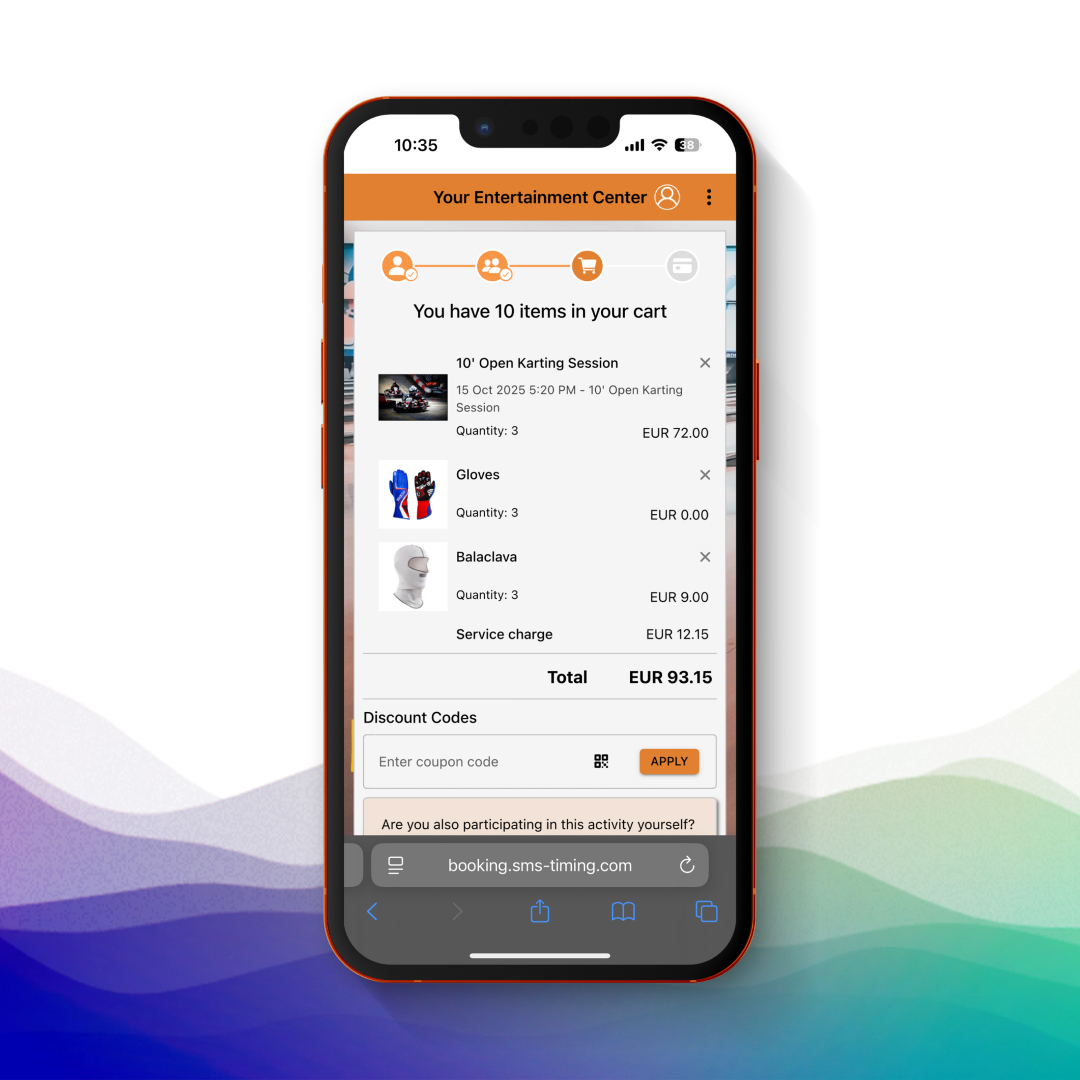
The operational reality of a track, however, is notoriously complex. Managing safety briefings, track marshals, heat scheduling, and wave turnarounds can quickly lead to costly inefficiencies and massive bottlenecks at checkout. If your software can’t dynamically adjust heat assignments when a guest runs late, your track sits empty, directly bleeding revenue.
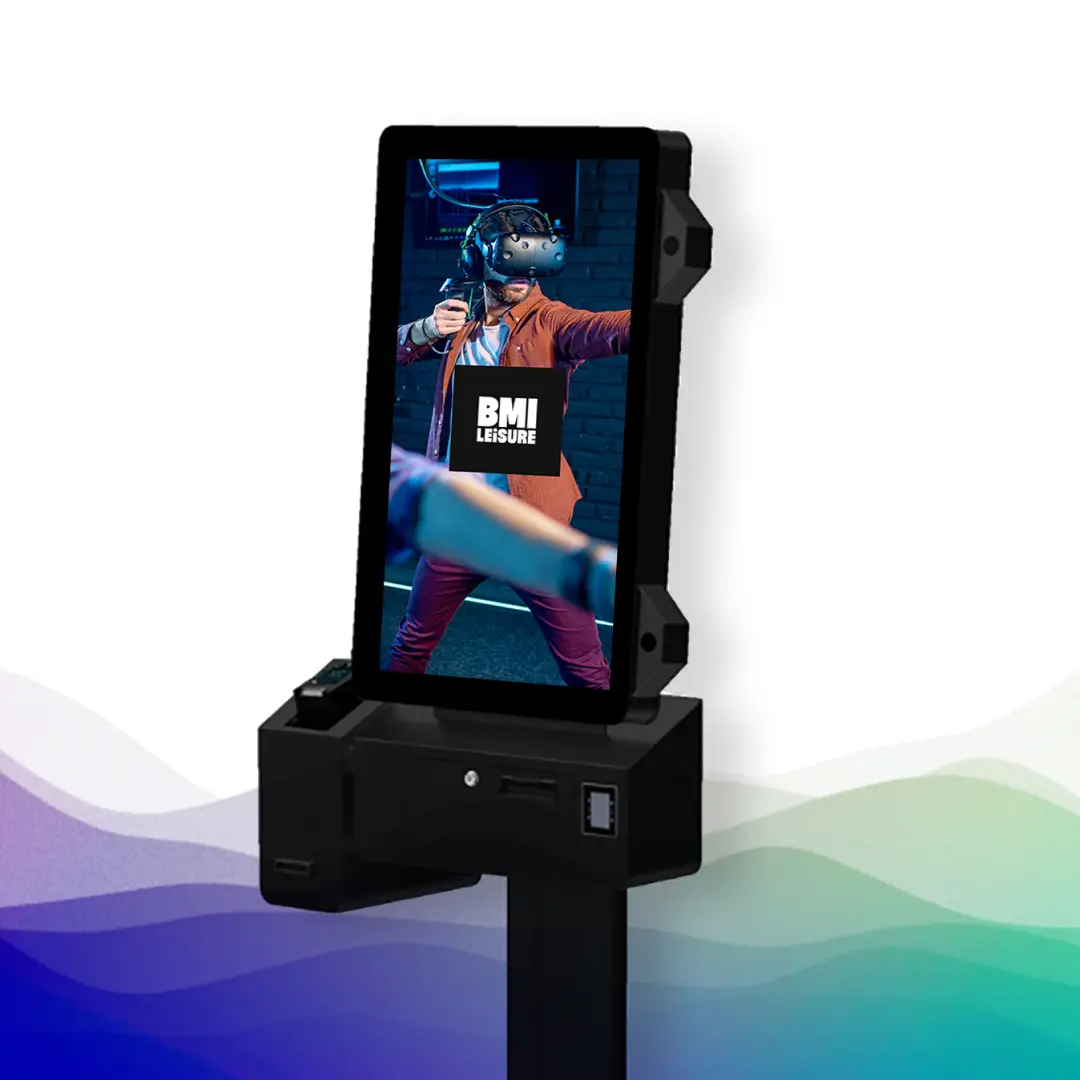
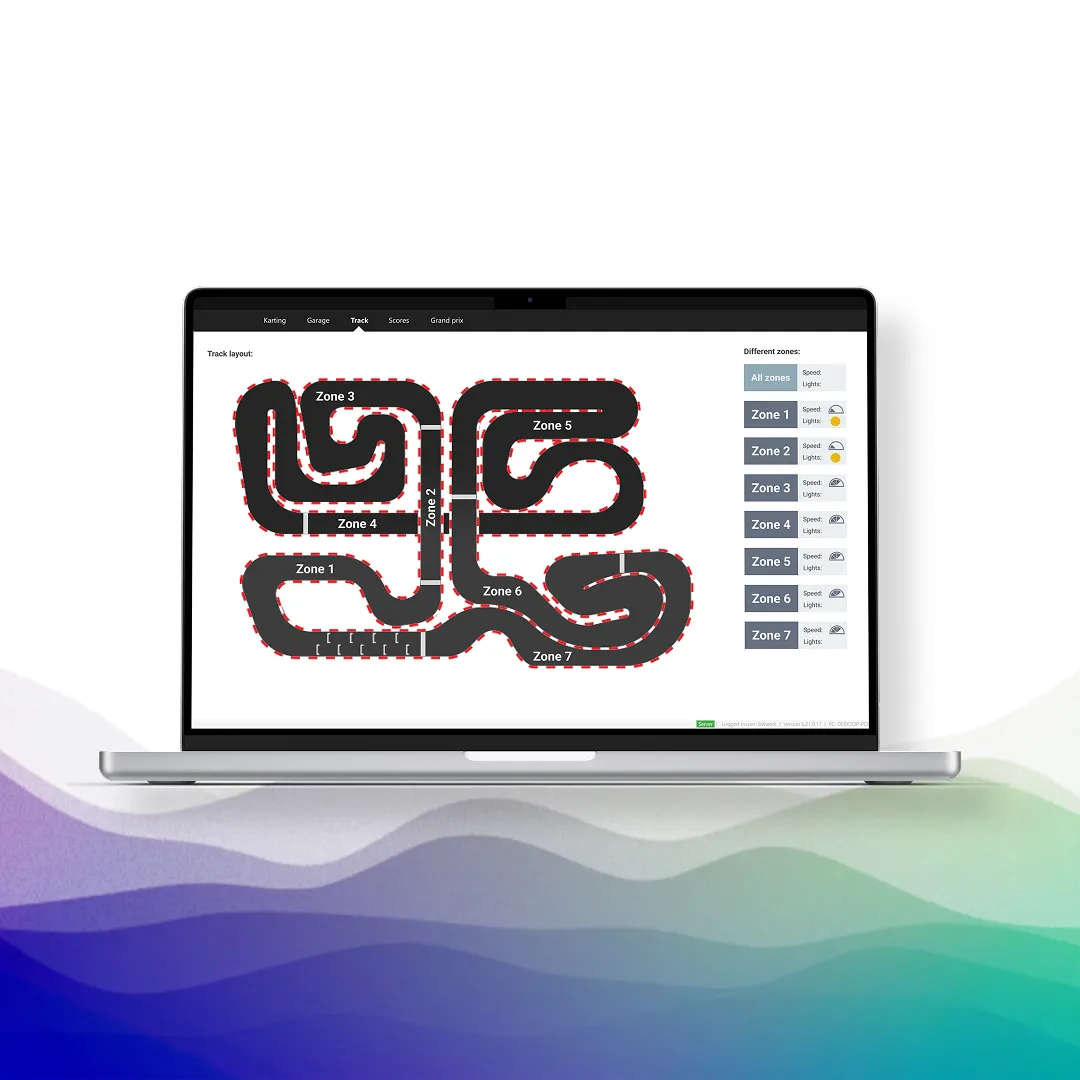
Do you want to know how top-performing venues actually do it?
The secret to squeezing extra races into a busy Saturday isn’t adding more staff or karts—it’s invisible automation. Dive into the data and strategies behind the world’s most profitable tracks.
2. Immersive Free-Roam Virtual Reality (VR) Zones
When reviewing various profitable entertainment business ideas, free-roam VR always stands out due to its compact footprint. In 2026, operators are moving away from restrictive single-player pods in favor of free-roam VR arenas. These spaces allow groups of players to walk physically around a shared digital environment, driving exceptional social engagement.
Why VR is Highly Profitable?

- Instant Attraction Upgrades: Unlike physical structures, VR games can be swapped instantly via software downloads, giving you a brand-new attraction without physical remodeling costs.
- Low Maintenance Requirements: Modern, turn-key VR platforms run reliably with minimal supervision, stabilizing your labor budget.
The secret to maximizing profitability here is rapid throughput. Utilizing automated waivers and self-service booking keeps the arena full and ensures a rapid return on your initial equipment investment.
3. Boutique Bowling & Social Gaming Hubs
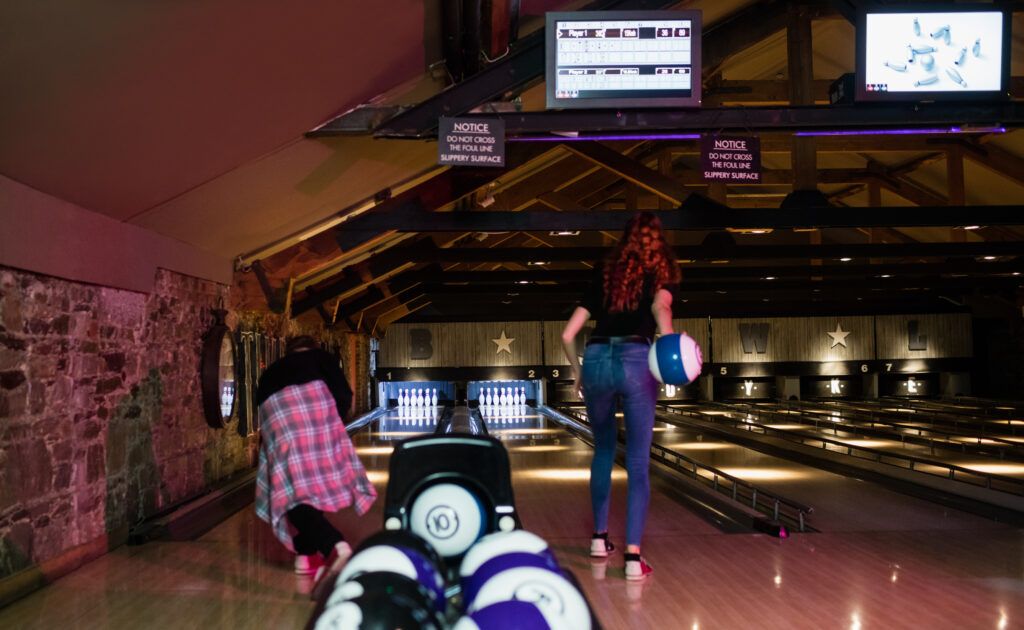
Traditional 40-lane bowling alleys require massive real estate and heavy maintenance. The modern, more profitable alternative is boutique bowling. These are smaller, highly stylized 4-to-8 lane setups built intentionally to merge active entertainment with premium hospitality.
Shifting the Revenue Model to Food & Beverage (F&B)
Instead of targeting serious league bowlers, boutique bowling focuses on corporate events, date nights, and upscale social gatherings. This shifts your monetization strategy from low-margin lane rentals to high-margin food and beverage sales.
To maximize this revenue stream, successful venues integrate Point of Sale (POS) software directly into the lane tables. Guests can scan a QR code or use a tabletop tablet to order premium cocktails and appetizers without ever leaving their lane, driving up the average spend per capita.
This simple tech upgrade is what transforms standard arcades into highly profitable entertainment business ideas.
4. Cashless Arcades and Ticket Redemption Hybrids
No list of family entertainment business ideas is complete without a modern arcade ecosystem. Ticket redemption games and linked multiplayer simulators consistently deliver the highest revenue per square meter in any indoor facility.
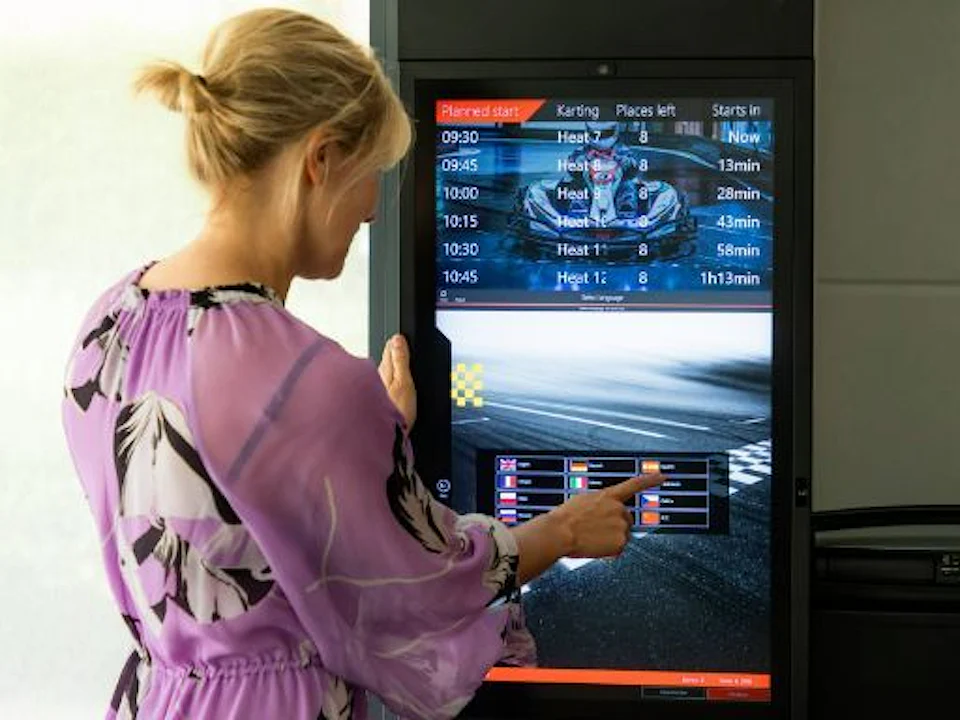
The Power of “Invisible Spending”
The transition from physical tokens and paper tickets to fully cashless RFID cards and wristbands has completely revolutionized arcade profitability. Cashless tech benefits your bottom line in two massive ways:
- Drastic Labor Reduction: It completely eliminates the labor costs of clearing coin jams, refilling paper ticket machines, and counting cash at the end of a shift.
- Increased Frictionless Spending: Guests simply tap their wristbands or cards to play. This gamified, card-based spending encourages a psychological detachment from real cash, resulting in up to a 30% increase in game spend compared to traditional token systems.
By using data analytics tied to your venue management system, you can track machine performance in real-time and deploy dynamic pricing—like half-price game hours—to incentivize traffic during slow mid-week periods.
5. High-Capacity Trampoline Parks
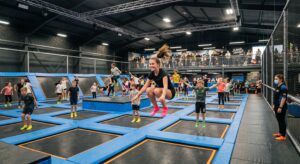
Trampoline parks remain one of the most reliable and scalable business models in the family entertainment industry. Because they can accommodate hundreds of guests simultaneously and appeal to a massive demographic—from toddler “tot jump” hours to teen “glow nights”—they are incredible revenue generators when managed correctly.

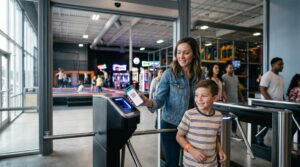
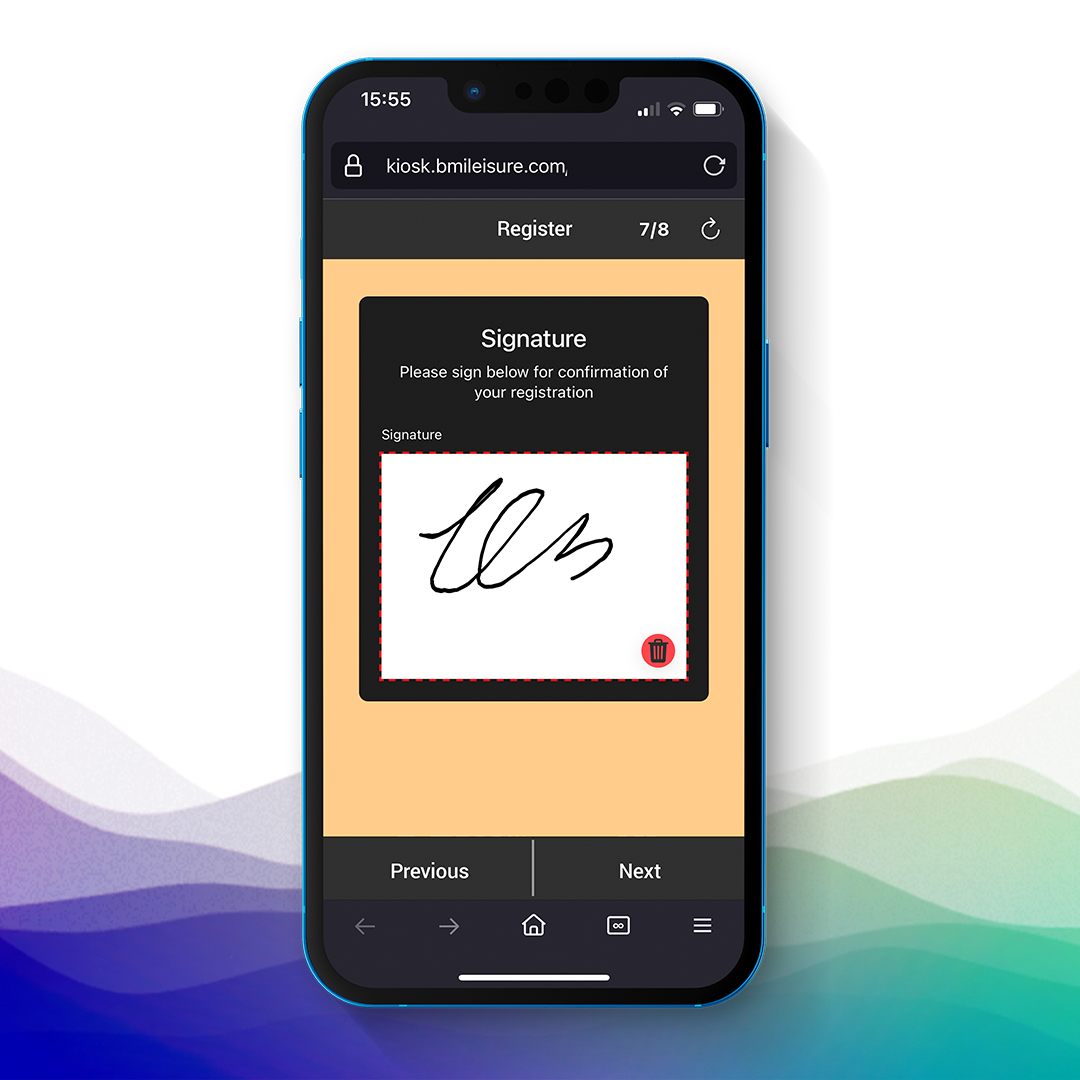
To run a park profitably, operators must have a bulletproof digital waiver system. By forcing guests to sign waivers online before they arrive and using self-serve check-in kiosks to quickly issue time-stamped wristbands, venues eliminate front-desk queues. This ensures a safe, legally compliant, and highly profitable throughput, even on a sold-out Saturday afternoon.
6. Next-Gen Adventure Parks & Ninja Courses

The evolution of the standard trampoline park is the multi-attraction adventure park. By combining trampolines with ninja warrior courses, wipeout machines, and stunt airbags, operators can charge premium admission prices for longer play sessions.
The primary challenge here is liability and capacity management. This business model relies heavily on digital waivers and timed ticketing. By forcing guests to sign waivers online before they arrive and using self-serve kiosks to print colored time-limit wristbands, operators can safely push hundreds of guests through the park per hour without front-desk bottlenecks.
7. Gamified Indoor Mini-Golf
Mini-golf has been completely modernized for 2026. Instead of basic turf and windmills, the most profitable venues are building gamified putt-putt courses. These feature RFID-chipped golf balls that automatically track scores on digital screens at every hole.

Similar to boutique bowling, the target demographic here is adults and corporate events. Because the technology handles the scoring, guests have their hands free to hold drinks and appetizers, making this an absolute powerhouse for high-margin F&B sales.
8. Tech-Driven Escape Rooms: The High-Margin Experience
Escape rooms offer a massive return on investment because they take up very little square footage while charging premium per-person ticket prices. The trend has shifted from physical padlocks to fully automated, sensor-driven rooms where actions trigger magnetic doors or hidden screens.
Since escape rooms run on strict time blocks, empty slots destroy your daily revenue. Integrating your rooms with a dynamic online booking system ensures that last-minute open slots can be promoted and sold, keeping your utilization rate as close to 100% as possible.
The Secret to Throughput: The “5-Minute Reset”
In the past, the biggest drawback to an escape room was the labor required to run it. A human “Game Master” had to watch a single room on a camera, give hints, and then spend 15 minutes manually resetting physical locks after the guests left.
In 2026, the trend has shifted to fully automated, sensor-driven rooms. By utilizing RFID technology, hidden motion sensors, and self-restarting puzzle systems, operators have reduced their staffing requirements by 35%. Furthermore, automated reset sequences have slashed room turnover times down to just 5 minutes. This rapid turnaround allows venues to run up to 40% more daily sessions inside the same square footage.
9. Modernized Roller Skating Rinks
In small and mid-sized towns, a roller skating rink often serves as the primary community hub for youth and families. While the concept is classic, the modern execution is highly tech-driven. Rinks require massive square footage but have incredibly low ongoing hardware costs compared to go-karts or VR.

The secret to modernizing a rink for high profitability is liability and party management. Because skating carries an inherent physical risk, forcing guests to sign digital waivers online before arriving is mandatory. Furthermore, because rinks make the majority of their revenue from weekend birthday parties, an automated online booking portal allows parents to reserve tables and pre-order pizzas 24/7, securing your weekend revenue in advance.
10. Indoor Soft Play & Parent Cafes
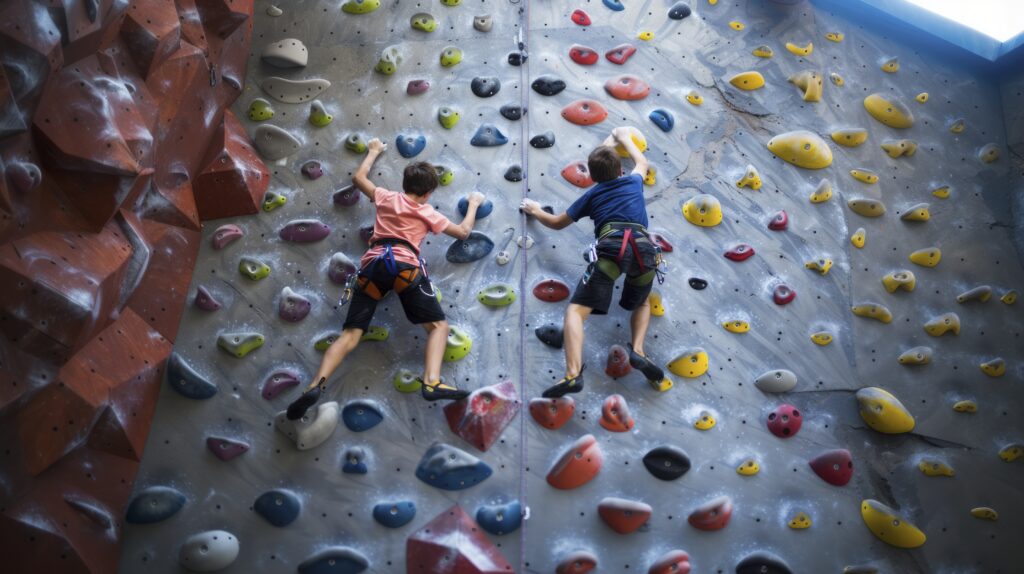
For mid-sized towns with growing suburban populations, catering to young families is a guaranteed revenue stream. Indoor soft play centers feature modular climbing structures for children, paired directly with a high-end cafe serving premium coffee and snacks for the parents. Because the check-in and payment process is handled via self-serve kiosks, your staff can focus strictly on the highest-margin activity: serving food and beverages.
Specific Business Ideas for Small Towns and Mid-Sized Communities
Operators outside of major metropolitan cities do not necessarily need a massive million-dollar facility to succeed. In smaller markets, the focus should be on broad community appeal, high repeat visitation, and low labor overhead. Here are the most profitable models designed specifically for these areas:
Micro-FECs (Hybrid “Eatertainment”)
In a smaller town, you might not have the population density to support an 80-game arcade or a 20-lane bowling alley. The solution is the Micro-FEC. This model combines a high-quality food offering—like artisanal pizza or a craft burger bar—with a small, curated selection of entertainment, such as four boutique bowling lanes and 15 high-earning redemption arcade games.
Because foot traffic in smaller towns fluctuates heavily depending on the day of the week, labor control is everything. By utilizing a unified Point of Sale (POS) system, a single staff member can ring up a food order, hand out rental shoes, and reload an arcade card all from the exact same register. This allows the venue to stay profitable even on slower Tuesday afternoons.
The Ultimate Key to FEC Profitability
Investing in the right attractions is only half the battle. The true secret to turning these concepts into highly profitable entertainment business ideas lies in unified venue management.
When your online booking portal, digital waiver software, self-serve check-in kiosks, and live track timing systems are fragmented, your operation suffers from bottlenecks and manual entry errors.
By unifying your entire guest journey under a single, cohesive platform like BMI Leisure, you optimize operational throughput, reduce your reliance on manual staffing, and unlock friction.