Search for the cost to open a trampoline park and you’ll find answers from $100,000 to more than $6 million. Both ends are real. They describe different parks, and some of them leave out the most expensive parts of the project.
Whether you’re asking how much does it cost to build a trampoline park from an empty warehouse, or pricing the full trampoline park business cost including fees and staff, this guide sorts it out with numbers you can check. It lists what trampoline park franchisors publish about their own investment, then breaks one franchisor’s official investment table into a budget you can reuse, and covers what the park costs to run once it opens. We build software for trampoline parks and don’t sell equipment or franchises, so we have no reason to push the estimate up or down. If you’re at the very start of the project, our guide on how to start a trampoline park covers the steps before the budget.
How Much Does It Cost to Open a Trampoline Park?
A dedicated indoor trampoline park typically costs $1.7 million to $5.4 million to open, going by the investment ranges franchisors publish: $1.7M–$2.8M (Altitude) and $2.85M–$5.44M (Urban Air, standard park). Larger multi-attraction formats run higher: Launch lists $3.5M–$6.5M. The building and the attractions are about 80% of the budget. Estimates of $100,000–$500,000 come from equipment suppliers and describe small parks, usually without the building work.
Why the Estimates Range From $100K to $6M
Three things explain almost all of the gap between the cost figures you’ll find online:
- What’s included. A manufacturer’s estimate often covers trampolines and basic fit-out. A franchisor’s investment table (Item 7 of its Franchise Disclosure Document) must include everything: building work, fees, insurance, pre-opening staff and working capital.
- Park size and format. A compact trampoline zone inside another venue is a different project from a 30,000 sq ft destination park with ninja courses, a café and party rooms.
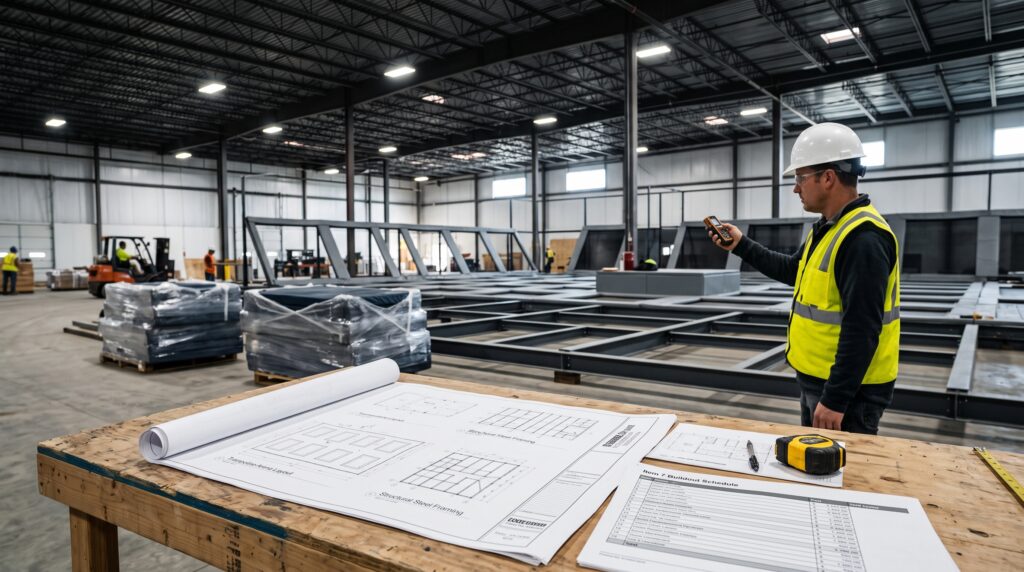
- The building. Trampoline parks need a large, open building with a high clear ceiling. Converting a warehouse shell into a public venue is often the single largest line in the budget.
So a $300,000 figure and a $4 million figure can both be honest. They just aren’t answering the same question. The same goes for any trampoline park set up cost you see quoted without a list of what it covers.
The Trampoline FDD Ledger: What Franchisors Publish
These are the figures each franchisor publishes on its own website, checked in September 2026. Franchisors must disclose their full investment range in Item 7 of their FDD, and some also put it on their public pages.
| Brand | Published Initial Investment | Fee & Ongoing Costs | Candidate Requirements |
|---|---|---|---|
| Altitude Trampoline Park | $1.7M – $2.8M | Not on the public page | Not on the public page |
| Big Air | Not published | Not published | $500,000 liquid capital |
| Launch Entertainment Multi-attraction | $3,517,213 – $6,501,900 | $75,000 fee 6% royalty · 2% brand marketing | Not on the public page |
| Sky Zone | Not published | Not published | Min. $500,000 cash |
| Urban Air Standard “2.0” | $2,852,887 – $5,441,558 | $100,000 fee 7% royalty · 6% local marketing |
$750,000 liquid
$1.5M net worth
|
| Urban Air Larger “2.5” | $4,147,074 – $7,944,050 | $100,000 fee 7% royalty · 6% local marketing |
$750,000 liquid
$1.5M net worth
|
Two notes on reading it. First, Launch is a multi-attraction park built around trampolines, so its range sits higher than a trampoline-focused park. Second, Sky Zone doesn’t publish its range on its own page, and third-party franchise directories report different Sky Zone figures from different FDD years. If Sky Zone is on your list, request its current FDD directly. We compare more family entertainment franchises in our FEC franchise guide.
A Line-by-Line Budget: Urban Air’s Investment Table
Urban Air publishes its full Item 7 table, line by line, on its franchise page. It’s the most detailed public breakdown of what a trampoline park actually costs, so we’ve regrouped its standard-park lines into six budget categories. The groupings and percentages are our arithmetic; every underlying figure is Urban Air’s.
| Budget Category | Lines Included | Range | Share of Low End |
|---|---|---|---|
| Building and buildout | Lease and other deposits, licenses, leasehold improvements ($853,613–$2,225,980), architectural plans, signage | $978,913 – $2,543,980 |
34%
|
| Attractions and audio-visual | Base attraction package ($1,214,760–$1,618,650), optional upgrade package ($0–$980,000), audio-visual | $1,286,662 – $2,897,791 |
45%
|
| Café, retail and fit-out | Café equipment and furniture, smallwares, opening inventory, furniture and fixtures | $217,000 – $329,200 |
8%
|
| Fees, pre-opening and insurance | Franchise fee, professional fees, travel, pre-opening wages, insurance ($13,087–$77,437), inspections, grand opening advertising | $216,312 – $375,587 |
8%
|
| Working capital | Cash for the first months of operation | $150,000 – $270,000 |
5%
|
| POS and computer hardware | Point-of-sale and computer equipment | $4,000 – $5,000 |
0.1%
|
Three lessons for any park, franchised or not:
- Building and attractions are about 80% of the money. Negotiating the lease, the landlord’s contribution to improvements and the attraction package matters far more than any other line.
- Pre-opening costs are real money. Wages before opening, insurance, inspections and grand opening marketing add up to hundreds of thousands. Many independent budgets forget them.
- Working capital is not optional. The park needs cash to cover the months before attendance settles. Urban Air budgets $150,000–$270,000 for it.
What an Independent Park Can Save, and What It Can’t
An independent park skips the franchise fee ($75,000–$100,000 in the table above) and the ongoing royalties, and it can choose cheaper equipment or a smaller building. What it can’t skip are the same physical costs: a suitable building, safe courts built to the ASTM F2970 standard for commercial trampoline courts, insurance, staff and working capital.
That’s where the low trampoline park startup cost estimates come from. Equipment manufacturer Dreamland, for example, puts the startup cost of an indoor trampoline park at “roundabout 100,000 to $500,000,” with equipment and supplies at $40,000–$120,000 and building improvements at $10,000–$100,000. Compare that last line with the $853,613–$2,225,980 Urban Air budgets for leasehold improvements alone. A figure that low only works for a small park, a building that already needs little work, or a trampoline zone added to an existing venue.
What It Costs to Run a Trampoline Park Each Year
Opening is only half of the budget. A study by FinModelsLab, cited by Altitude Trampoline Park, put average annual operating costs at $500,000 to $1 million, against average revenue of $1 million to $3 million. The largest recurring lines are:
- Rent for a large building, usually the biggest fixed cost.
- Staff: front desk, court monitors, party hosts and café, scaled to your busiest hours.
- Insurance, which trampoline parks pay more for than most venues because of the activity.
- Royalties and marketing fees for franchised parks: 7% plus 6% local marketing at Urban Air, and 6% plus 2% at Launch, all on gross sales.
- Maintenance and replacement of beds, pads and nets, plus grip-sock and café inventory.
For scale on the revenue side, Altitude publishes a $2.045 million average unit volume from its 2026 FDD. How close your park gets to numbers like that depends mostly on how full your sessions are on weekdays, which we model in the session math section of our how to start a trampoline park guide.
Where Software Fits in the Budget
In Urban Air’s table, point-of-sale and computer hardware is the smallest line: $4,000–$5,000. That’s because the software itself isn’t a one-off purchase. Booking, waiver and POS platforms are usually a subscription plus payment processing, so they sit in your running costs, not your opening budget.
Small line, big effect. The system decides how fast families check in, whether a session can be oversold, and whether every minor has a signed waiver before jumping. Choose it before you finalize the front desk, because it determines how many stations and staff you need. We compare the main options in our best trampoline park software guide. Disclosure: BMI Leisure is one of them; our trampoline park platform handles online booking, digital waivers for every jumper, session wristbands and POS in one system.
Building Your Trampoline Park Budget?
Tell us about your building and your attraction plan. We’ll show you what booking, waivers, session wristbands and POS cost to run, and how the front desk should be set up for your busiest Saturday.
Talk to Our TeamFrequently Asked Questions
How much does it cost to open a trampoline park?
For a full-size indoor park, budget in the low millions. The franchisors that publish their numbers show the range: Altitude Trampoline Park states an initial investment of $1.7 million to $2.8 million, Urban Air publishes $2,852,887 to $5,441,558 for its standard park format, and Launch Entertainment, a larger multi-attraction format, lists $3,517,213 to $6,501,900 in its FDD. Much lower figures, such as $100,000 to $500,000, come from equipment suppliers and describe small parks or exclude most of the building costs.
How much does a trampoline park franchise cost?
The initial franchise fee is only a small part. Urban Air charges a $100,000 fee and requires $750,000 in liquid assets and a $1.5 million net worth, with a total investment of $2,852,887 to $5,441,558 for its standard park. Launch Entertainment charges $75,000 with a total of $3,517,213 to $6,501,900. Ongoing fees apply too: Urban Air takes a 7% royalty plus a 6% local marketing requirement, and Launch a 6% royalty plus a 2% brand marketing fee.
What is the biggest cost when opening a trampoline park?
The building and the attractions. In Urban Air’s published investment table for its standard park, grouped into categories, the buildout (lease deposits, leasehold improvements, architecture and signage) is about 34% of the low-end total and the attraction equipment with audio-visual is about 45%. Together that is nearly 80% of the budget. The café, fit-out, fees, pre-opening wages, insurance and working capital make up the rest.
How much does it cost to run a trampoline park each year?
A study by FinModelsLab, cited by Altitude Trampoline Park, put average annual operating costs at $500,000 to $1 million, with average revenue of $1 million to $3 million. Rent, staffing and insurance are the largest recurring lines. Franchised parks also pay royalties and marketing fees on gross sales: 7% plus 6% local marketing at Urban Air, and 6% plus 2% at Launch.
Can you open a trampoline park for $100,000 to $500,000?
Only a small one, and usually not counting the building. That range comes from equipment manufacturers such as Dreamland, whose 2022 estimate lists equipment and supplies at $40,000 to $120,000 and building improvements at just $10,000 to $100,000. A full-size indoor park needs a large building with a high clear ceiling, and a single franchisor’s leasehold improvements alone can exceed $850,000. Use the low figures for a compact or add-on trampoline zone, not a stand-alone destination park.
Sources
- Urban Air — Investment page (initial franchise fee $100,000; 7% royalty; 6% local marketing expenditure; $750,000 liquid and $1.5M net worth; full estimated initial investment tables for 2.0 parks, $2,852,887–$5,441,558, and 2.5 parks, $4,147,074–$7,944,050). urbanairfranchise.com — verified September 28, 2026.
- Altitude Trampoline Park — franchise blog, What Makes Trampoline Park Businesses Profitable? (initial investment $1.7 million to $2.8 million; FinModelsLab study: average revenue $1M–$3M and average annual operating costs $500,000–$1 million). altitudetrampolinepark.com — verified September 28, 2026. Altitude’s $2.045M average unit volume is from its franchising page (2026 FDD), verified September 23, 2026.
- Launch Entertainment — franchise page (Item 7 initial investment $3,517,213–$6,501,900; $75,000 fee; 6% royalty and 2% brand marketing fee). launchfamilyentertainment.com — verified September 23, 2026.
- Big Air ($500,000 liquid capital) and Sky Zone (minimum $500,000 cash) — each company’s franchise page, verified September 23, 2026, as documented in our FEC franchise guide.
- ASTM International — F2970 Standard Practice for Design, Manufacture, Installation, Operation, Maintenance, Inspection and Major Modification of Trampoline Courts. astm.org — verified September 24, 2026.
- Dreamland — How Much Money Does It Take to Build a Trampoline Park? (manufacturer estimate, May 2022: startup cost of $100,000 to $500,000; equipment and supplies $40,000–$120,000; building improvements $10,000–$100,000). dreamlandplayground.com — verified September 28, 2026.
Franchise figures are each company’s own published numbers and change when FDDs are reissued; request the current FDD from any brand you consider. The budget categories and percentages are our regrouping of Urban Air’s published lines. Manufacturer estimates are marketing figures for equipment buyers. This guide is general information, not financial or legal advice. BMI Leisure is the publisher and sells venue management software to trampoline parks, disclosed above. Last updated: September 28, 2026.