In a world dominated by algorithms and automated emails, face-to-face marketing has become the ultimate premium strategy for building human connection. While digital channels are excellent for reaching the masses, nothing builds trust and closes high-value deals faster than looking someone in the eye.
For Family Entertainment Centers (FECs), go-kart tracks, and multi-activity venues, face-to-face marketing remains one of the most powerful strategies to drive local foot traffic. However, the most successful operators know that a physical interaction is only the beginning. To generate real revenue, you must use venue management software to capture that interaction and drop it seamlessly into a digital sales pipeline.
What is Face-to-Face Marketing? (The Power of Human Connection)
If you are wondering exactly what face-to-face marketing is, it is the practice of engaging prospective customers directly, in person, to promote a brand, service, or product. Instead of relying on a screen to deliver your message, you rely on human interaction, tactile experiences, and real-time conversations.
Face-to-Face Marketing vs. Digital Marketing: Why Both Need to Coexist
A common misconception is that physical and digital marketing are at war. In reality, the most successful brands use them as a cohesive ecosystem. Digital marketing provides the reach, while face-to-face (F2F) marketing provides the depth.
Here is how the two strategies compare and complement each other:
| Feature | Face-to-Face Marketing | Digital Marketing |
|---|---|---|
| Primary Strength | Builds deep, immediate trust and emotional connection. | Massive scale, precise targeting, and broad reach. |
| Audience Engagement | Active & Immersive (conversations, tactile experiences). | Passive (scrolling, clicking, viewing). |
| Conversion Speed | High. Objections can be addressed and resolved in real time. | Variable. Often requires long, multi-touch nurturing funnels. |
| Cost Structure | Higher Cost Per Acquisition (CPA), but higher Lifetime Value (LTV). | Lower CPA, but subject to highly competitive ad bidding. |
| Best Used For… | High-ticket B2B sales, experiential brand building, complex products. | E-commerce, top-of-funnel awareness, remarketing. |
How Does Face-to-Face Marketing Work? (The Process)
The F2F process generally follows three distinct phases:
- Attract: Using visual touchpoints, booth designs, or street teams to draw people in.
- Engage: Initiating a meaningful conversation, asking qualifying questions, and providing a hands-on demonstration.
- Convert & Capture: Closing the sale on the spot or capturing the prospect’s data to enter them into a digital sales pipeline.
Top Benefits of Face-to-Face Marketing
Investing in an in-person strategy offers unique advantages that a screen simply cannot replicate:
- Accelerated Trust: People buy from people. A genuine smile, a firm handshake, and an empathetic conversation build instant credibility.
- Real-Time Feedback: You can instantly read a prospect’s body language. If they look confused, you can pivot your pitch immediately.
- Cutting Through the Noise: Consumers are subjected to thousands of digital ads daily. A physical, experiential interaction makes your brand memorable and distinct.
5 High-Impact Face to Face Marketing Examples
Driving consistent foot traffic and closing high-ticket corporate events requires boots on the ground. Below are 5 highly profitable face-to-face marketing examples. Notice how the most successful operators (and B2B suppliers) don’t just shake hands—they use specialized venue hardware to capture the data and impress the client.
1. Live Tech Demos at Industry Trade Fairs
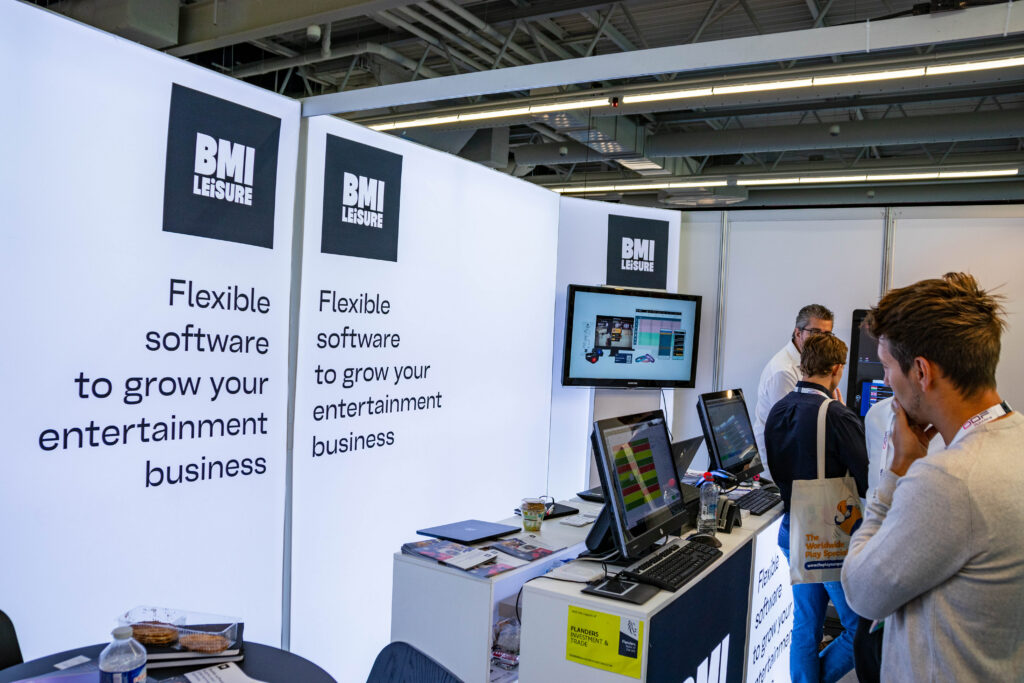
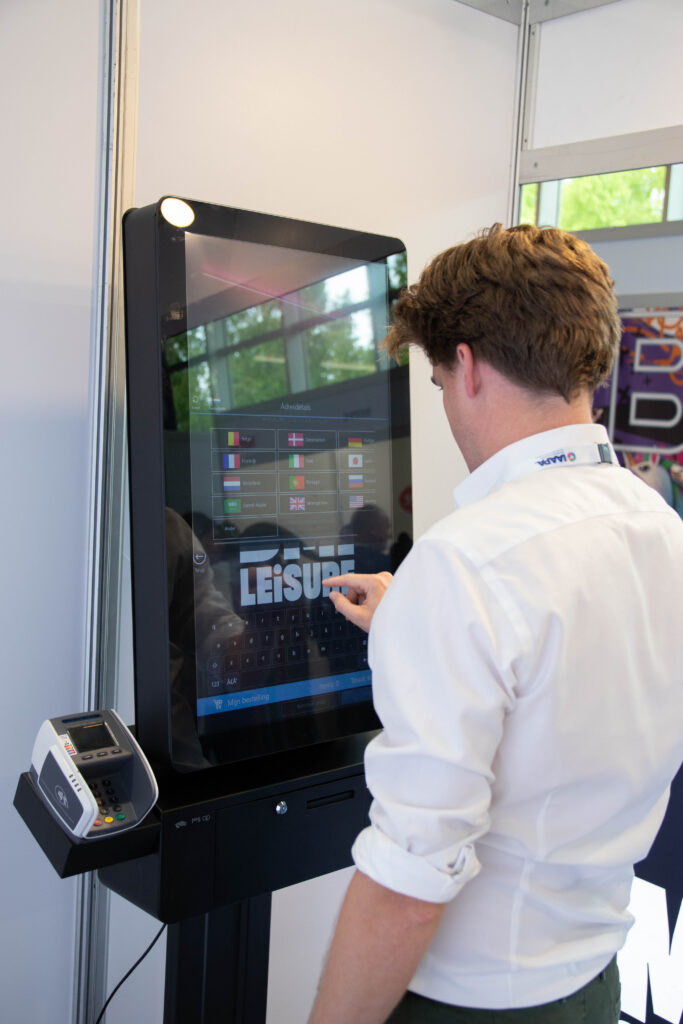
Whether you are a SaaS company selling venue software or an FEC operator attending a local Chamber of Commerce B2B fair, setting up a live hardware demonstration is the ultimate F2F strategy. Instead of handing out brochures, set up a live Self-Serve Kiosk or Point of Sale (POS) at your booth. Letting prospective corporate clients physically interact with the smooth interface, sign a test digital waiver, and see the technology in action builds immediate, tangible trust.
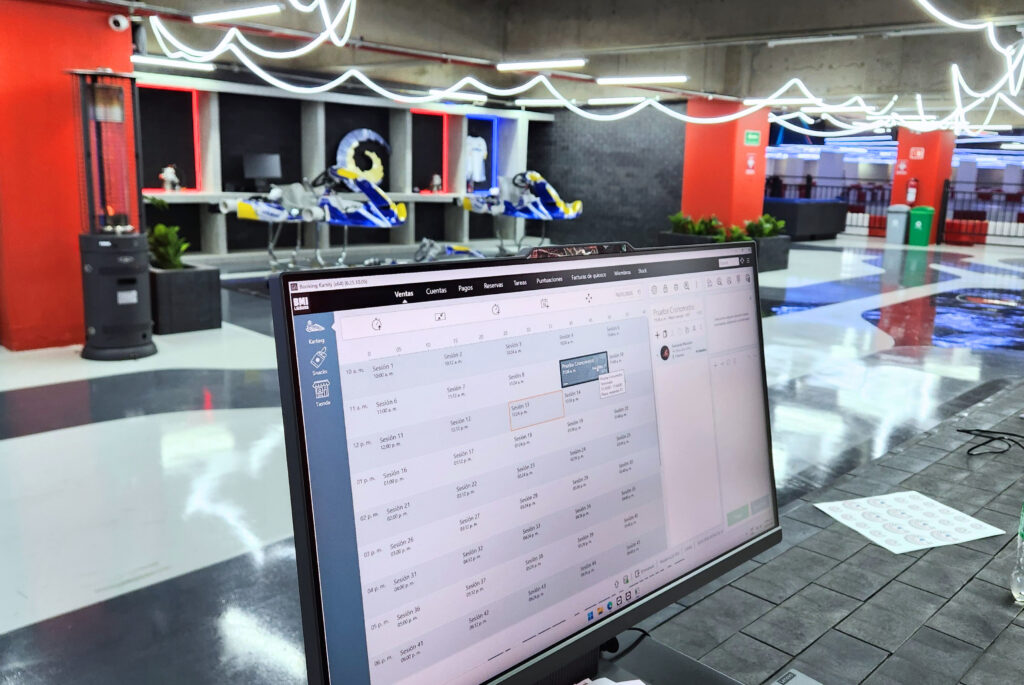
2. The In-Venue Concierge Upsell (Powered by Integrated POS & Kiosks)
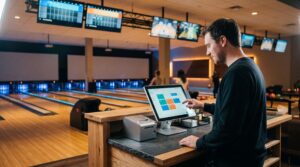
Your most profitable face-to-face interactions happen the moment a guest walks through your front doors. Top operators train their front desk staff to act like concierges. They greet walk-in guests, build rapport, and use a powerful, stationary Point of Sale (POS) system to seamlessly upsell them from a single race to a premium multi-activity package, capturing all customer data instantly.
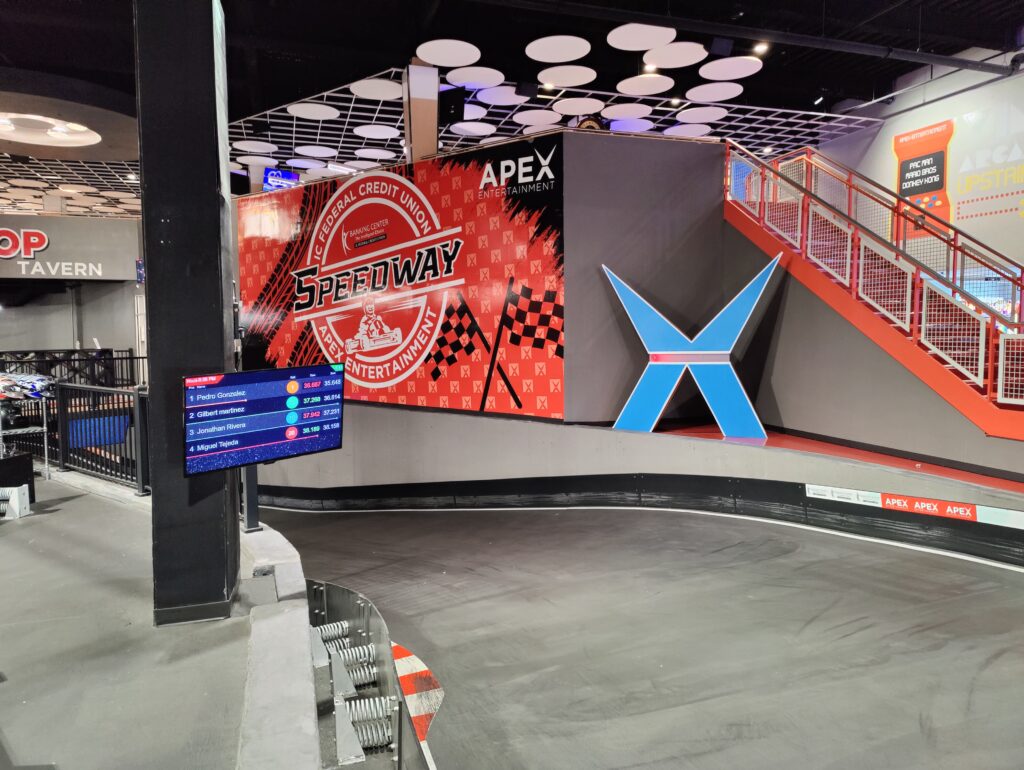
3. Pitching Corporate Sponsorships (Powered by TV Displays)
Face-to-face B2B pitch meetings aren’t just for booking holiday parties; they are how top venues sell highly lucrative track naming rights and corporate sponsorships.
4. Streamlining VIP Check-Ins with Kiosks
True face-to-face marketing requires time and attention. If your staff is stuck doing manual data entry or hunting down paper waivers, they cannot have meaningful conversations with your guests. By strategically placing Self-Serve Kiosks near the entrance, you automate the waiver and check-in bottleneck. This frees up your floor managers to walk the facility, shake hands with VIP guests, and ensure everyone is having a premium experience.
5. Cashless RFID Floor Engagement
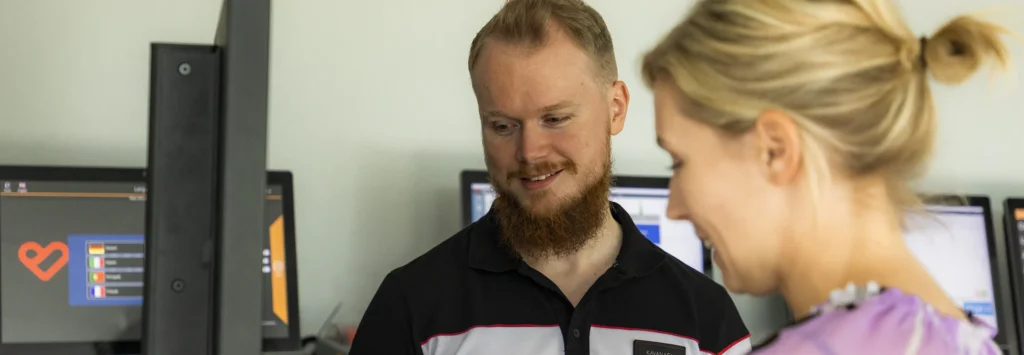
Instead of waiting behind a counter, modern venue managers walk the arcade and activity floors to engage directly with guests. When they see a family having a great time, they approach them face-to-face to explain the benefits of upgrading to a VIP Cashless RFID Card. Because the system is fully integrated, the guest simply taps their card at the stationary POS or kiosk to load credits, creating a frictionless upsell driven entirely by human connection.
How to Execute a Winning Face-to-Face Marketing Campaign (Best Practices)
Running an in-person campaign requires meticulous pipeline management. The biggest mistake operators make is treating physical marketing and digital software as two separate things. Here is how to execute a winning strategy.
Step 1: Design Striking Visual Touchpoints
In a crowded event space or a busy facility lobby, you have less than three seconds to attract a lead. Invest in high-quality banners, interactive screens, and clear messaging. Your physical space should look exactly like your venue: vibrant, exciting, and professional.
Step 2: Train Your Team and Know What to Expect on the Field
Your representatives are the face of your brand. They need to be trained not just on product features, but on active listening, body language, and how to elegantly handle rejection. A well-trained team focuses on asking the right questions rather than just reciting a scripted pitch.
Step 3: Digitize the Experience (Data Capture & CRM)
This is where modern campaigns win or lose. Physical marketing must feed your digital ecosystem. Never rely on paper sign-up sheets. Equip your facilities with Self-Serve Kiosks, integrated POS stations, and digital waiver systems that pipe directly into your Customer Relationship Management (CRM) software.. By digitizing data capture on the spot, you ensure no lead slips through the cracks.
Step 4: Integrate F2F with Your Digital Marketing Funnel
Once a prospect’s data is captured in your CRM, trigger an automated digital workflow. Send a personalized follow-up email within 24 hours acknowledging the physical meeting, and drop them into a retargeting audience so your digital ads follow them seamlessly after the event.
Stop Relying on External Agencies: Empower Your Own Team
Scaling an in-person sales strategy can feel logistically complex, but you do not need to hire an expensive, specialized face-to-face marketing company to see results. By equipping your existing front-desk staff and floor managers with an all-in-one venue management platform, you automate the heavy lifting. This allows your team to focus entirely on building relationships and closing deals.
Seamless Data Capture
Empower your staff with self-serve kiosks and intuitive POS systems that instantly digitize waivers and customer profiles without slowing down the line.
Automated Nurturing
Your staff handles the physical handshake, and the integrated CRM handles the rest, automatically triggering targeted email follow-ups to close the sale.
Multi-Venue Scalability
Cloud-based venue software allows you to standardize your in-person upselling strategies, dynamic pricing, and CRM workflows across multiple facilities instantly.
Ready to Elevate Your In-Person Experience?
Stop letting valuable physical leads slip away. Discover how the right venue management and data capture technology can bridge the gap between your physical events and digital growth.
Talk to Our Tech Experts